Contents
- 1 Trust Wallet vs Exodus: Overview
- 2 Security and Custody Features
- 3 Multi-Chain Support and Token Coverage
- 4 DeFi and Web3 Integration
- 5 User Experience and Interface Design
- 6 Platform Availability and Accessibility
- 7 Trading and Exchange Features
- 8 Which Wallet is Right for You?
- 9 Conclusion
- 10 Frequently Asked Questions
Choosing the right cryptocurrency wallet is crucial for securing your digital assets and accessing the Web3 ecosystem. With hundreds of wallet options available, finding one that combines security, ease of use, and comprehensive features can be overwhelming. Trust Wallet and Exodus are two popular self-custodial wallets that have gained significant traction among crypto enthusiasts worldwide.
Both Trust Wallet and Exodus offer multi-chain support, user-friendly interfaces, and non-custodial security where you control your private keys. However, they cater to different needs and preferences within the cryptocurrency community. Trust Wallet, backed by Binance, focuses on mobile-first Web3 access with extensive DeFi integration, while Exodus emphasizes elegant desktop experiences with intuitive portfolio management.
In this comprehensive Trust Wallet vs Exodus comparison, you’ll discover the key differences between these two wallets, their unique features, security approaches, and which one might be the best fit for your crypto journey. Whether you’re a beginner exploring your first wallet or an experienced trader seeking advanced functionality, this analysis will help you make an informed decision.
Trust Wallet vs Exodus: Overview
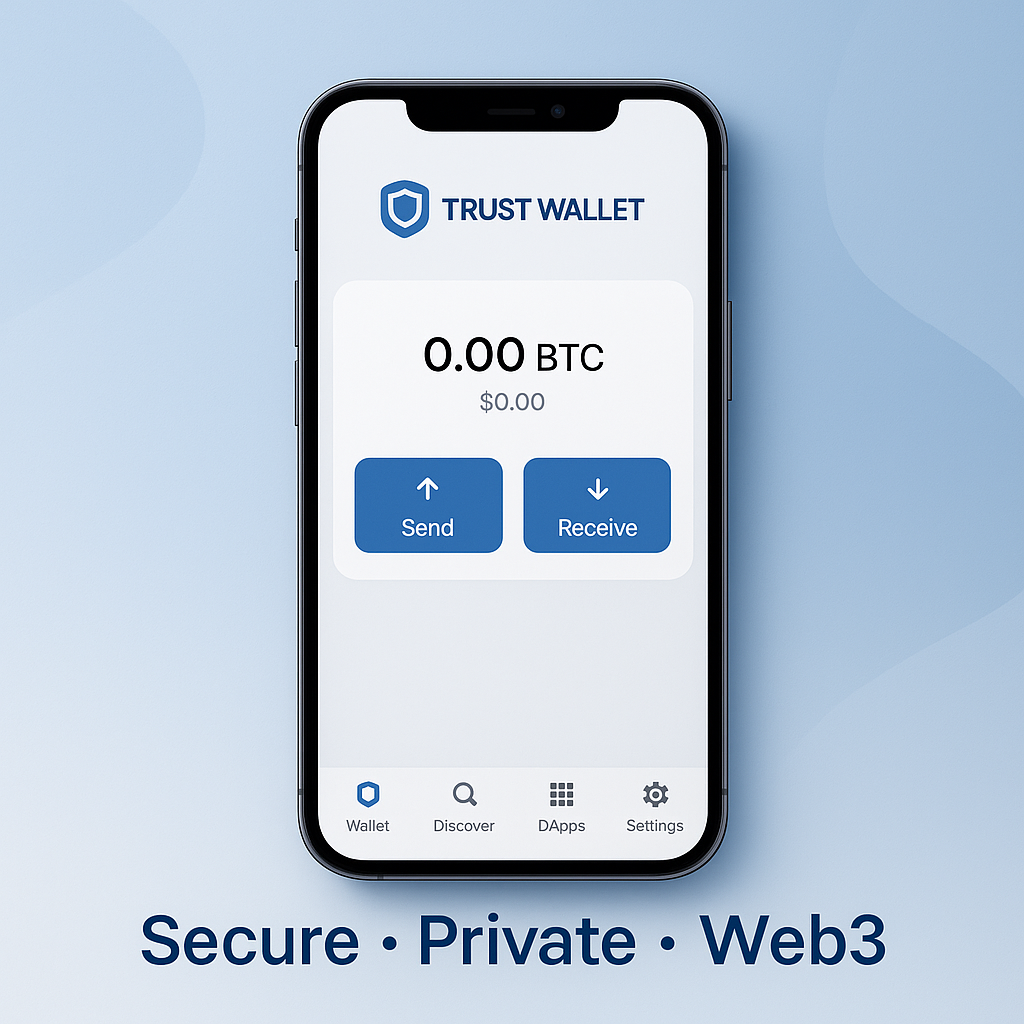
Trust Wallet is a mobile-first, self-custodial cryptocurrency wallet that serves as your gateway to the decentralized web. Originally founded by Viktor Radchenko and later acquired by Binance, Trust Wallet has grown to support over 10 million tokens across 100+ blockchains. The wallet features a built-in DApp browser, NFT gallery, staking capabilities, and seamless integration with decentralized applications.
Exodus, founded in 2015 by JP Richardson and Daniel Castagnoli, started as a desktop-focused wallet known for its beautiful design and user experience. The platform has since expanded to mobile devices while maintaining its reputation for simplicity and visual appeal. Exodus supports multiple cryptocurrencies and offers features like built-in exchange, portfolio tracking, and hardware wallet integration.
The primary distinction in this Trust vs Exodus comparison lies in their target audiences and design philosophies. Trust Wallet prioritizes Web3 accessibility and DeFi functionality for mobile users, while Exodus focuses on creating an intuitive experience for users who prefer desktop portfolio management with occasional mobile access.
Security and Custody Features
Both Trust Wallet and Exodus are non-custodial wallets, meaning you maintain full control over your private keys and recovery phrase. This self-custodial approach ensures that neither company can access your funds or freeze your account, providing true ownership of your digital assets.
Trust Wallet implements industry-standard security measures including client-side encryption, secure key storage, and biometric authentication on mobile devices. Your recovery phrase and private keys never leave your device or get transmitted to Trust Wallet’s servers. The wallet also supports hardware wallet integration through WalletConnect for users seeking additional security layers.
Exodus employs similar security protocols with AES-256 encryption and local key storage. The platform offers password protection, biometric authentication, and the ability to connect hardware wallets like Trezor for enhanced security. Exodus also provides detailed security educational resources to help users understand best practices for crypto storage.
In terms of open-source transparency, Trust Wallet has made its mobile applications open-source, allowing the community to audit the code for security vulnerabilities. Exodus takes a different approach with partially open-source code, focusing on user experience while maintaining some proprietary elements.
Multi-Chain Support and Token Coverage
Trust Wallet excels in multi-chain wallet functionality, supporting over 100 blockchains including Bitcoin, Ethereum, Binance Smart Chain, Polygon, Solana, Cosmos, and many emerging networks. This extensive coverage makes Trust Wallet particularly attractive for DeFi users and traders who interact with multiple blockchain ecosystems.
The wallet’s multi-chain architecture allows seamless switching between networks within a single interface. Users can manage Bitcoin alongside Ethereum-based tokens, stake on Cosmos-based chains, and interact with Solana DApps without needing separate wallet applications.
Exodus supports a more curated selection of cryptocurrencies, focusing on established networks and tokens with strong fundamentals. While the exact number is smaller than Trust Wallet’s offering, Exodus covers all major blockchains including Bitcoin, Ethereum, Cardano, Polkadot, and Solana, among others.
For users seeking the broadest cryptocurrency support and access to emerging blockchain networks, Trust Wallet provides more comprehensive coverage. However, Exodus offers sufficient variety for most users while maintaining a cleaner, less overwhelming interface.
DeFi and Web3 Integration
Trust Wallet positions itself as a comprehensive Web3 wallet with extensive DeFi capabilities. The built-in DApp browser allows users to connect directly to decentralized applications, participate in yield farming, provide liquidity to DEXs, and interact with smart contracts across supported blockchains.
The wallet’s WalletConnect integration enables seamless connection to thousands of DeFi protocols and Web3 applications. Users can participate in governance voting, claim airdrops, mint NFTs, and engage with the broader decentralized ecosystem directly from their mobile device.
Trust Wallet also offers in-app staking for multiple proof-of-stake networks, allowing users to earn rewards on their holdings without leaving the wallet interface. The platform supports delegation to validators on networks like Cosmos, Solana, and Binance Smart Chain.
Exodus provides basic DeFi functionality but focuses more on traditional portfolio management. While users can connect to some DeFi applications through browser extensions and mobile app integration, the experience is less native compared to Trust Wallet’s comprehensive Web3 integration.
NFT Support and Management
Both wallets recognize the growing importance of NFTs in the crypto ecosystem. Trust Wallet features a dedicated NFT gallery where users can view, manage, and transfer their non-fungible tokens across supported blockchains. The interface displays NFT artwork, metadata, and collection information in an intuitive format.
Exodus also provides NFT wallet functionality with visual galleries and management tools. The platform supports popular NFT standards across multiple blockchains and offers an elegant viewing experience consistent with Exodus’s design philosophy.
User Experience and Interface Design
Trust Wallet prioritizes functionality and comprehensive feature access in its mobile-first design. The interface provides quick access to wallet functions, DApp browser, NFT gallery, and staking options through a tabbed navigation system. While feature-rich, the design remains clean and accessible to newcomers.
The wallet’s onboarding process is straightforward, guiding users through wallet creation, recovery phrase backup, and security setup in approximately five minutes. Educational prompts throughout the app help users understand crypto concepts and security best practices.
Exodus is renowned for its beautiful, intuitive interface design that makes cryptocurrency accessible to mainstream users. The wallet features smooth animations, clear navigation, and visual portfolio representations that help users understand their holdings at a glance.
The Exodus onboarding experience emphasizes simplicity and education, with guided setup processes and comprehensive support documentation. The platform’s design philosophy focuses on removing complexity while maintaining powerful functionality beneath the surface.
Platform Availability and Accessibility
Trust Wallet began as a mobile-first application and remains primarily focused on iOS and Android platforms. The mobile apps provide full functionality including DApp browsing, multi-wallet management, and DeFi interactions. Trust Wallet also offers a browser extension for desktop users who need Web3 connectivity.
The mobile-first approach aligns with the growing trend of mobile crypto adoption and on-the-go DeFi participation. Users can access their funds, interact with dApps, and manage their portfolios from anywhere with internet connectivity.
Exodus started as a desktop application and has successfully expanded to mobile platforms while maintaining feature parity between devices. This cross-platform approach allows users to manage their portfolios on desktop computers and access funds through mobile apps when needed.
The synchronized experience across devices appeals to users who prefer desktop trading and portfolio management but want mobile access for convenience and emergency situations.
Trading and Exchange Features
Trust Wallet integrates multiple exchange services directly into the wallet interface, allowing users to swap cryptocurrencies without leaving the app. The wallet aggregates liquidity from various DEXs and centralized exchange APIs to provide competitive rates and minimal slippage.
Users can also purchase cryptocurrencies directly within Trust Wallet using credit cards or bank transfers through integrated fiat on-ramps. This feature simplifies the crypto acquisition process for newcomers who haven’t yet established exchange accounts.
Exodus features a built-in exchange powered by various liquidity providers, offering competitive rates for cryptocurrency swaps. The platform emphasizes transparent pricing and fast execution while maintaining the user-friendly experience Exodus is known for.
Both wallets charge fees for exchange services, though rates vary depending on the specific trade and market conditions. Users should compare rates across platforms to ensure they receive optimal pricing for their transactions.
Which Wallet is Right for You?
Choose Trust Wallet if you prioritize comprehensive Web3 access, extensive multi-chain support, and mobile-first DeFi interactions. Trust Wallet is ideal for users who actively participate in decentralized finance, collect NFTs across multiple blockchains, or frequently interact with new and emerging protocols.
The wallet particularly appeals to experienced crypto users, DeFi yield farmers, NFT collectors, and anyone seeking exposure to the broadest range of blockchain networks. Trust Wallet’s Binance backing provides additional credibility and resources for continued development.
Select Exodus if you prefer elegant design, intuitive user experience, and cross-platform accessibility. Exodus works well for users who want straightforward portfolio management, occasional trading, and educational resources without overwhelming complexity.
Exodus suits cryptocurrency investors, long-term holders, and users who prefer desktop portfolio management with mobile accessibility. The platform excels for users prioritizing design, simplicity, and comprehensive customer support.
Both wallets offer excellent security as self-custodial solutions, so your choice primarily depends on your usage patterns, preferred features, and design preferences. Many users actually maintain both wallets for different purposes within their cryptocurrency strategy.
Conclusion
The Trust Wallet vs Exodus comparison reveals two excellent self-custodial wallets with distinct strengths and target audiences. Trust Wallet excels as a comprehensive Web3 gateway with extensive multi-chain support, DeFi integration, and mobile-first design. Its 10+ million token support and built-in DApp browser make it ideal for active DeFi participants and Web3 explorers.
Exodus shines with its beautiful interface design, intuitive user experience, and cross-platform functionality. The wallet provides excellent portfolio management tools and educational resources while maintaining simplicity that appeals to both beginners and experienced users.
Both wallets prioritize security through self-custodial architecture, ensuring you maintain control over your private keys and digital assets. Your choice between Trust Wallet and Exodus should align with your crypto activities, preferred platforms, and design preferences.
Ready to take control of your cryptocurrency journey? Download Trust Wallet today and discover why millions of users trust it as their gateway to the decentralized web. Experience seamless multi-chain management, comprehensive DeFi access, and secure self-custodial storage in one powerful mobile application.
Frequently Asked Questions
Is Trust Wallet safer than Exodus?
Both Trust Wallet and Exodus are self-custodial wallets with similar security standards. Both use industry-standard encryption, local key storage, and never store your recovery phrase on servers. Trust Wallet is open-source which allows community security audits, while Exodus is partially open-source. Your security primarily depends on following best practices like securing your recovery phrase.
Which wallet supports more cryptocurrencies?
Trust Wallet supports over 10 million tokens across 100+ blockchains, making it one of the most comprehensive multi-chain wallets available. Exodus supports a more curated selection focusing on established cryptocurrencies and major blockchain networks. If you need access to emerging tokens or multiple blockchain ecosystems, Trust Wallet provides broader coverage.
Can I use both Trust Wallet and Exodus with the same recovery phrase?
Yes, both wallets use standard BIP39 recovery phrases, so you can import your wallet into either platform using the same 12-word phrase. However, some advanced features or custom tokens might not transfer perfectly between wallets. It’s recommended to test with small amounts first when switching between wallet applications.
Which wallet is better for DeFi activities?
Trust Wallet is generally better suited for DeFi activities due to its built-in DApp browser, extensive multi-chain support, and WalletConnect integration. The wallet allows direct interaction with thousands of decentralized applications and supports in-app staking across multiple networks. Exodus provides basic DeFi functionality but focuses more on portfolio management.
Do Trust Wallet and Exodus charge fees?
Both wallets are free to download and use for basic functionality. However, both charge fees for certain services like cryptocurrency exchanges, fiat purchases, and some advanced features. Network transaction fees (gas fees) apply regardless of which wallet you use, as these are paid to blockchain networks for processing transactions.
Which wallet is better for beginners?
Exodus is often considered more beginner-friendly due to its intuitive interface design and comprehensive educational resources. However, Trust Wallet also offers excellent onboarding and educational content. Both wallets provide good experiences for newcomers, with Exodus emphasizing visual appeal and Trust Wallet focusing on comprehensive functionality.
Can I stake cryptocurrencies in both wallets?
Trust Wallet offers built-in staking for multiple proof-of-stake networks including Cosmos, Solana, and Binance Smart Chain directly within the app interface. Exodus also supports staking for select cryptocurrencies through partnerships with staking providers. Trust Wallet generally offers more comprehensive staking options across different blockchain networks.
Do both wallets support NFTs?
Yes, both Trust Wallet and Exodus feature dedicated NFT galleries where you can view, manage, and transfer non-fungible tokens. Trust Wallet supports NFTs across all its supported blockchains, while Exodus supports NFTs on major networks like Ethereum and Solana. Both wallets display NFT artwork and metadata in user-friendly interfaces.
Which wallet offers better customer support?
Exodus is known for responsive customer support through multiple channels including email and social media. Trust Wallet provides support primarily through help documentation, community forums, and social media channels. Both platforms offer comprehensive FAQ sections and educational resources to help users resolve common issues independently.
Can I use hardware wallets with Trust Wallet and Exodus?
Both wallets support hardware wallet integration for enhanced security. Trust Wallet connects to hardware wallets through WalletConnect protocol, allowing you to use devices like Ledger while maintaining the Trust Wallet interface. Exodus offers direct integration with Trezor hardware wallets and supports other devices through various connection methods.


Very informative, the focus on DeFi tools. This is exactly what beginners need. Will follow your recommendations. Very helpful! Well done! Highly recommend. Great resource. Thanks again! Great resource.
Perfect timing, helped solve my multi-chain management. Recommend to everyone interested. Author did a great job explaining clearly. Very helpful! Great resource. Highly recommend. Very helpful! Well done!
Good article for the focus on Trust Wallet app. This is exactly what beginners need. Highly recommend this resource. Very helpful! Very helpful! Thanks again! Very helpful! Well done! Highly recommend.
Appreciate the detail, the explanation of mobile security. Made everything much clearer. Very helpful and practical. Highly recommend. Thanks again! Well done! Highly recommend. Great resource. Great resource.
Comprehensive guide, loved the part about user interface. Everything is clear even for beginners. Perfect resource for this topic. Well done! Thanks again! Highly recommend. Thanks again! Very helpful!
Quality overview, those wanting to understand DeFi integration better. Well explained. Highly recommend this resource. Great resource. Great resource. Highly recommend. Very helpful! Well done! Thanks again!
Solid information, especially about NFT gallery. Wasn’t aware of these nuances before. Thanks for the detailed explanation! Well done! Great resource. Thanks again! Thanks again! Highly recommend. Very helpful!
Bookmarked this, was looking for info about DeFi integration, found everything here. Highly recommend this resource. Highly recommend. Thanks again! Great resource. Thanks again! Thanks again! Very helpful!
Solid information, valuable information about staking features that’s hard to find elsewhere. Thanks for the detailed explanation! Very helpful! Great resource. Highly recommend. Great resource. Very helpful!
Finally found loved the part about Web3 features. Everything is clear even for beginners. Thanks for the detailed explanation! Very helpful! Highly recommend. Highly recommend. Very helpful! Thanks again!
Great guide! great breakdown of user interface. Very practical approach. Very helpful and practical. Thanks again! Great resource. Very helpful! Great resource. Thanks again! Thanks again! Very helpful!
Straight to the point, was looking for info about crypto security, found everything here. Information is truly up-to-date. Great resource. Highly recommend. Highly recommend. Thanks again! Very helpful!