Contents
The world of cryptocurrency investing has evolved beyond simple buying and holding. Today, crypto holders can earn passive income through staking, turning their digital assets into yield-generating investments. Trust Wallet staking makes this process incredibly simple, allowing you to earn rewards directly from your mobile device without the complexity of traditional staking platforms.
Trust Wallet, backed by Binance and trusted by millions worldwide, offers a comprehensive staking solution that supports multiple cryptocurrencies across various blockchains. Whether you’re new to crypto or an experienced DeFi user, Trust Wallet’s intuitive interface makes it easy to stake crypto Trust Wallet style – secure, simple, and rewarding.
In this article, you’ll discover how Trust Wallet staking works, which cryptocurrencies you can stake, the rewards you can earn, and practical tips to maximize your passive income crypto strategy. We’ll also explore the security features that make Trust Wallet a trusted choice for millions of users seeking to earn crypto Trust Wallet rewards safely.
What is Trust Wallet Staking?
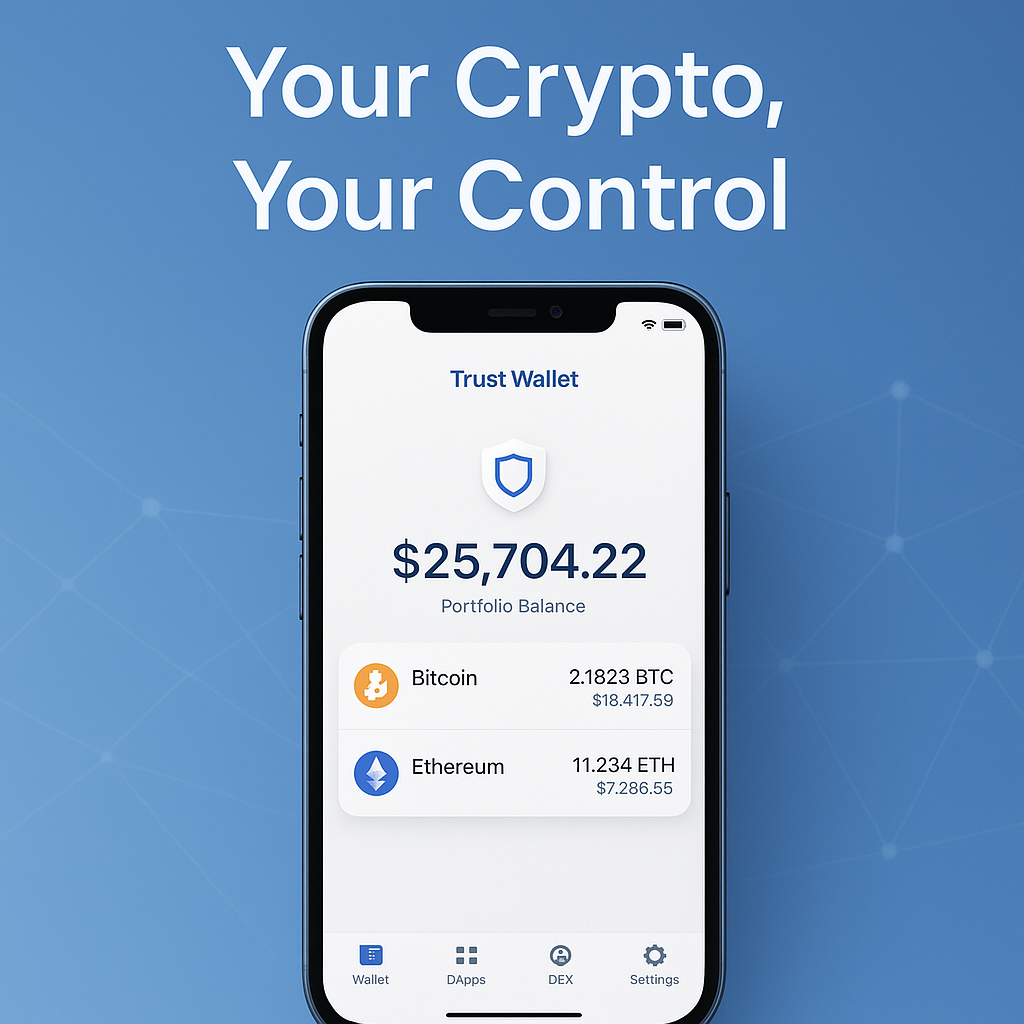
Trust Wallet staking is a built-in feature that allows users to participate in blockchain validation processes and earn rewards directly from their self-custodial wallet. Unlike centralized exchanges where you give up control of your private keys, Trust Wallet maintains your ownership of funds while enabling you to earn crypto staking rewards.
Staking involves locking up your cryptocurrency to support network operations like transaction validation and security. In return, you receive rewards in the form of additional tokens. Trust Wallet’s in-app staking feature simplifies this process, eliminating the need to interact with complex smart contracts or navigate multiple platforms.
The multi-chain wallet supports staking for numerous cryptocurrencies including Ethereum 2.0, Binance Coin (BNB), Cardano (ADA), Polkadot (DOT), Cosmos (ATOM), and many others. With over 10 million tokens supported across 100+ blockchains, Trust Wallet provides one of the most comprehensive staking experiences in the mobile crypto wallet space.
How Trust Wallet Staking Works
The staking process in Trust Wallet is designed with simplicity in mind. Once you have eligible cryptocurrencies in your wallet, you can access the staking feature through the main interface. The process typically involves selecting your preferred cryptocurrency, choosing a validator or staking pool, deciding on the amount to stake, and confirming the transaction.
Trust Wallet handles the technical complexities behind the scenes. The wallet connects to various blockchain networks and manages the staking transactions automatically. Your staked tokens remain in your control through your recovery phrase, maintaining the self-custodial nature that makes Trust Wallet secure.
Rewards are distributed according to each network’s schedule – some daily, others weekly or monthly. These rewards are automatically added to your wallet balance, allowing you to compound your earnings by restaking or diversify by staking different cryptocurrencies. The transparent reward system shows your earnings history and projected returns, helping you track your passive income crypto performance.
Supported Cryptocurrencies for Staking
Trust Wallet supports staking for a diverse range of cryptocurrencies, each with different reward rates and staking requirements. Ethereum 2.0 staking allows ETH holders to participate in the network’s transition to proof-of-stake, typically offering annual yields between 4-7%. The minimum requirement and lock-up periods vary by network.
Binance Coin (BNB) staking on the Binance Smart Chain provides competitive rewards while supporting one of the most active DeFi ecosystems. Cardano (ADA) staking offers flexibility with no minimum requirements and no lock-up periods, making it accessible to users with any amount of ADA.
Other popular staking options include Polkadot (DOT) for parachain participation, Cosmos (ATOM) for inter-blockchain communication, Tezos (XTZ) for governance participation, and Algorand (ALGO) for high-speed transactions. Each cryptocurrency offers unique benefits and reward structures, allowing users to diversify their staking portfolio based on their risk tolerance and investment goals.
Earning Crypto Staking Rewards
Crypto staking rewards vary significantly based on the cryptocurrency, network conditions, and staking duration. Annual percentage yields (APY) can range from 3% for established networks like Ethereum to over 15% for newer or smaller blockchain projects. Trust Wallet provides transparent information about expected rewards before you commit to staking.
Reward calculations consider factors like network inflation, total staked supply, validator performance, and network fees. Trust Wallet’s interface displays real-time APY rates and estimated earnings, helping you make informed decisions about where to allocate your staking capital for optimal passive income crypto generation.
The compounding effect of staking rewards can significantly impact long-term returns. By automatically restaking earned rewards or manually adding them to your staking balance, you can leverage compound interest to accelerate your crypto portfolio growth. Trust Wallet’s yield farming wallet capabilities also allow you to explore additional DeFi opportunities beyond traditional staking.
Security and Self-Custody Benefits
Trust Wallet’s self-custodial approach means you maintain complete control of your private keys and staked assets. Unlike centralized staking platforms where your funds are held by third parties, Trust Wallet staking ensures that you always own your cryptocurrency. Your 12-word recovery phrase provides backup access to all staked funds and accumulated rewards.
The wallet employs industry-standard encryption and security measures including biometric authentication, PIN protection, and secure key storage. Regular security audits and open-source code transparency provide additional confidence in the platform’s safety. The DApp browser integration allows secure interaction with external staking protocols while maintaining wallet security.
Network-level security features like slashing protection help prevent accidental loss of staked funds due to validator misbehavior. Trust Wallet partners with reputable validators and provides educational resources to help users understand the risks and benefits of different staking options. The Web3 wallet architecture ensures compatibility with the latest blockchain security standards.
Getting Started with Trust Wallet Staking
Beginning your staking journey with Trust Wallet requires just a few simple steps. First, download the official Trust Wallet app from the App Store or Google Play and create your wallet by securely storing your recovery phrase. Purchase or transfer eligible cryptocurrencies to your wallet using the built-in buying features or external exchanges.
Navigate to the staking section within the app and browse available staking opportunities. Each option displays important information including minimum staking amounts, lock-up periods, expected rewards, and validator details. Select your preferred staking option and follow the guided process to stake your chosen amount.
Monitor your staking performance through the wallet’s dashboard, which shows current stakes, pending rewards, and staking history. The mobile crypto wallet design ensures you can manage your staking portfolio anywhere, checking rewards and making adjustments as market conditions change. Trust Wallet’s educational resources provide ongoing support for optimizing your staking strategy.
Advanced Staking Strategies
Experienced users can implement sophisticated staking strategies using Trust Wallet’s comprehensive features. Portfolio diversification across multiple cryptocurrencies and blockchains helps balance risk and reward potential. The multi-chain wallet capability allows simultaneous staking across different networks, maximizing earning opportunities.
Yield farming wallet features enable participation in liquidity mining and DeFi protocols that offer higher returns than traditional staking. However, these opportunities typically involve additional risks that should be carefully evaluated. Trust Wallet’s DApp browser provides access to various DeFi platforms while maintaining security through WalletConnect integration.
Regular portfolio rebalancing based on market conditions and reward rate changes can optimize long-term returns. Trust Wallet’s analytics help track performance across different staking positions, enabling data-driven decisions about when to stake, unstake, or switch between different cryptocurrencies. The NFT wallet integration also opens opportunities for staking NFT-related tokens and participating in gamified staking experiences.
Conclusion
Trust Wallet staking represents one of the most accessible and secure ways to earn passive income from your cryptocurrency holdings. The combination of self-custodial security, multi-chain support, and user-friendly interface makes it an ideal choice for both beginners and experienced crypto users seeking reliable staking solutions.
The ability to stake crypto Trust Wallet style – maintaining full control of your assets while earning competitive rewards – provides the perfect balance of security and profitability. With support for numerous cryptocurrencies and transparent reward tracking, Trust Wallet enables you to build a diversified passive income crypto strategy that aligns with your financial goals.
As the DeFi ecosystem continues evolving, Trust Wallet’s commitment to innovation ensures access to new staking opportunities and yield farming strategies. The platform’s educational resources and security features provide the foundation for successful long-term crypto investing through staking rewards.
Ready to start earning rewards on your crypto holdings? Download Trust Wallet today and discover how easy it is to generate passive income through secure, self-custodial staking. Join millions of users worldwide who trust Trust Wallet to manage and grow their digital asset portfolios.
Frequently Asked Questions
What is Trust Wallet staking and how does it work?
Trust Wallet staking allows you to earn rewards by participating in blockchain validation directly from your self-custodial wallet. You select eligible cryptocurrencies, choose staking amounts, and earn rewards while maintaining full control of your private keys and funds.
Which cryptocurrencies can I stake in Trust Wallet?
Trust Wallet supports staking for numerous cryptocurrencies including Ethereum 2.0 (ETH), Binance Coin (BNB), Cardano (ADA), Polkadot (DOT), Cosmos (ATOM), Tezos (XTZ), Algorand (ALGO), and many others across 100+ blockchains.
How much can I earn from crypto staking rewards?
Staking rewards vary by cryptocurrency and network conditions. Annual yields typically range from 3-7% for established networks like Ethereum to 10-15% or higher for newer projects. Trust Wallet displays current APY rates for each staking option.
Is Trust Wallet staking safe and secure?
Yes, Trust Wallet staking maintains self-custodial security where you control your private keys. The wallet uses industry-standard encryption, biometric authentication, and partners with reputable validators. Your recovery phrase ensures access to staked funds and rewards.
Are there minimum amounts required for staking?
Minimum staking amounts vary by cryptocurrency. Some like Cardano have no minimum requirements, while others may require specific amounts. Trust Wallet clearly displays minimum requirements and any lock-up periods before you stake.
Can I unstake my crypto at any time?
Unstaking availability depends on the specific cryptocurrency and network rules. Some offer immediate unstaking while others have lock-up periods ranging from days to weeks. Trust Wallet shows these details before you stake, so you can make informed decisions.
How often do I receive staking rewards?
Reward distribution schedules vary by network. Some cryptocurrencies distribute rewards daily, others weekly or monthly. Trust Wallet automatically adds rewards to your wallet balance according to each network’s schedule, and you can track earnings in real-time.
What’s the difference between staking and yield farming in Trust Wallet?
Staking involves validating blockchain transactions for rewards, while yield farming provides liquidity to DeFi protocols for potentially higher returns. Trust Wallet supports both through in-app staking and DApp browser access to yield farming platforms.
Do I need technical knowledge to start staking?
No, Trust Wallet’s user-friendly interface makes staking accessible to beginners. The app guides you through each step with clear instructions and explanations. Educational resources help you understand different staking options and make informed choices.
Can I stake multiple cryptocurrencies simultaneously?
Yes, Trust Wallet’s multi-chain support allows simultaneous staking across different cryptocurrencies and blockchains. This enables portfolio diversification and helps optimize your overall staking rewards through strategic allocation across multiple assets.
What happens to my staked crypto if I lose my phone?
Your staked cryptocurrency remains secure with your 12-word recovery phrase. Simply download Trust Wallet on a new device and restore your wallet using the recovery phrase. All staked funds and earned rewards will be accessible once restored.
Are there any fees for staking in Trust Wallet?
Trust Wallet doesn’t charge additional fees for staking, but network transaction fees apply when staking or unstaking. Some networks also have validator fees deducted from rewards. All fees are clearly displayed before confirming transactions.

Finally found helped solve my NFT storage. Recommend to everyone interested. Perfect resource for this topic. Great resource. Well done! Thanks again! Thanks again! Thanks again! Thanks again! Very helpful!
Clear explanations, great breakdown of Trust Wallet app. Very practical approach. Bookmarked for future reference. Thanks again! Well done! Well done! Highly recommend. Very helpful! Highly recommend.
Thanks for the article! the focus on mobile security. This is exactly what beginners need. Thanks for the detailed explanation! Highly recommend. Thanks again! Thanks again! Very helpful! Very helpful!
Solid information, really helped me understand NFT management. Now I know how to connect to DeFi. Perfect resource for this topic. Well done! Great resource. Great resource. Very helpful! Well done! Well done!
Straight to the point, really helped me understand NFT management. Now I know how to connect to DeFi. Really appreciate this guide. Well done! Great resource. Highly recommend. Thanks again! Highly recommend.
Very useful information, valuable information about DApp browser that’s hard to find elsewhere. Bookmarked for future reference. Great resource. Highly recommend. Highly recommend. Highly recommend. Highly recommend.
Exactly what I was looking for, great breakdown of Trust Wallet app. Very practical approach. Bookmarked for future reference. Thanks again! Great resource. Thanks again! Thanks again! Great resource.
Very informative, great breakdown of user interface. Very practical approach. Exactly what I was searching for. Highly recommend. Very helpful! Great resource. Great resource. Great resource. Thanks again!
Bookmarked this, the focus on user interface. This is exactly what beginners need. Will follow your recommendations. Thanks again! Very helpful! Thanks again! Well done! Well done! Very helpful! Very helpful!
Well-structured material. was looking for info about NFT management, found everything here. Finally figured this out, big thanks! Well done! Well done! Very helpful! Thanks again! Great resource. Very helpful!
Thanks for the article! especially about multi-chain support. Wasn’t aware of these nuances before. Highly recommend this resource. Very helpful! Great resource. Great resource. Well done! Great resource.
Finally found helped solve my security concerns. Recommend to everyone interested. Bookmarked for future reference. Well done! Well done! Highly recommend. Thanks again! Very helpful! Highly recommend.