Contents
- 1 Trust Wallet vs Atomic Wallet: Core Philosophy
- 2 Security and Self-Custodial Features
- 3 Multi-Chain Support and Token Compatibility
- 4 DeFi and Web3 Integration
- 5 User Experience and Interface Design
- 6 Customer Support and Community
- 7 Pricing and Fees
- 8 Which Wallet Is Right for You?
- 9 Conclusion
- 10 Frequently Asked Questions
Choosing the right cryptocurrency wallet can make or break your Web3 experience. With countless options available, two names consistently stand out among crypto enthusiasts: Trust Wallet and Atomic Wallet. Both offer self-custodial storage, multi-chain support, and user-friendly interfaces, but they serve different needs in the evolving crypto landscape.
Trust Wallet, backed by Binance and trusted by millions worldwide, has established itself as a leading mobile-first solution for DeFi enthusiasts and NFT collectors. Meanwhile, Atomic Wallet positions itself as a comprehensive desktop and mobile platform with built-in exchange features. Understanding the differences between these decentralized wallet solutions is crucial for making an informed decision about your digital asset management.
In this comprehensive comparison, we’ll examine both wallets across security, features, user experience, and supported cryptocurrencies. Whether you’re new to crypto or an experienced trader exploring multi-chain opportunities, this analysis will help you determine which wallet aligns best with your needs and investment goals.
Trust Wallet vs Atomic Wallet: Core Philosophy
The fundamental difference between Trust Wallet and Atomic Wallet lies in their approach to cryptocurrency management and user empowerment. Trust Wallet operates as a truly decentralized, open-source mobile crypto wallet that prioritizes simplicity and Web3 integration. As the official wallet of Binance, it’s designed to make decentralized finance accessible to everyone, from complete beginners to advanced DeFi users.
Trust Wallet’s philosophy centers on self-custodial control—you own your private keys, and the company never has access to your funds or recovery phrase. This approach aligns perfectly with the decentralized ethos of cryptocurrency, ensuring maximum security and privacy for users across the globe.
Atomic Wallet, while also offering self-custodial features, focuses on providing an all-in-one cryptocurrency management platform. It combines wallet functionality with built-in exchange services, staking opportunities, and a desktop-first experience that appeals to users who prefer managing crypto from their computers.
Both wallets support the principle of “not your keys, not your crypto,” but their execution and target audiences differ significantly. Trust Wallet excels in mobile-native Web3 experiences, while Atomic Wallet emphasizes comprehensive portfolio management across devices.
Security and Self-Custodial Features
Security remains the top priority for any cryptocurrency wallet, and both Trust Wallet and Atomic Wallet implement robust self-custodial security measures. Trust Wallet utilizes industry-standard encryption protocols and stores your private keys locally on your device. The wallet generates a 12-word recovery phrase during setup, which serves as the master key to your crypto assets.
Trust Wallet’s security architecture includes biometric authentication (fingerprint and Face ID), app-level passwords, and the ability to create multiple wallets within a single app. The platform undergoes regular security audits and maintains an open-source codebase, allowing the crypto community to verify its security implementations.
Atomic Wallet also provides self-custodial storage with encrypted private keys stored locally on users’ devices. It supports both 12 and 24-word recovery phrases and includes similar biometric authentication features. However, Atomic Wallet’s desktop focus means security considerations extend to computer-based threats like malware and keyloggers.
A critical distinction in the Trust Wallet vs Atomic Wallet comparison is transparency. Trust Wallet’s open-source nature allows independent security researchers to audit the code, while Atomic Wallet operates with a partially closed-source model. This difference may influence security-conscious users who prefer complete transparency in their cryptocurrency storage solutions.
Multi-Chain Support and Token Compatibility
Modern crypto investors demand comprehensive multi-chain wallet support, and both Trust Wallet and Atomic Wallet deliver extensive blockchain compatibility. Trust Wallet supports over 10 million cryptocurrencies across 100+ blockchains, including Bitcoin, Ethereum, Binance Smart Chain, Polygon, Solana, Avalanche, and countless other networks.
The Trust Wallet ecosystem excels in emerging blockchain support, often adding new networks shortly after their mainnet launches. This rapid adoption makes it an ideal choice for DeFi enthusiasts who want to explore new protocols and yield farming opportunities across different chains. The wallet automatically detects and displays tokens in your portfolio, eliminating manual configuration for most assets.
Atomic Wallet supports over 1,000 cryptocurrencies across major blockchains, with a focus on established networks and popular altcoins. While its supported asset list is smaller than Trust Wallet’s, Atomic Wallet provides deep integration with its built-in exchange features, allowing seamless trading between supported cryptocurrencies.
For NFT collectors, Trust Wallet offers superior multi-chain NFT support with a dedicated gallery interface that displays your digital collectibles across various networks. Atomic Wallet provides basic NFT storage but lacks the visual appeal and comprehensive NFT management features that modern collectors expect.
DeFi and Web3 Integration
The decentralized finance revolution has transformed how we interact with cryptocurrency, and Trust Wallet leads this space with its comprehensive Web3 integration. The built-in DApp browser allows users to access thousands of decentralized applications directly from their mobile device, including popular DeFi protocols like Uniswap, PancakeSwap, Aave, and Compound.
Trust Wallet’s WalletConnect integration enables seamless connections to DeFi platforms and Web3 services across the ecosystem. Whether you’re providing liquidity, yield farming, or participating in governance voting, Trust Wallet simplifies these complex interactions with intuitive interfaces and clear transaction previews.
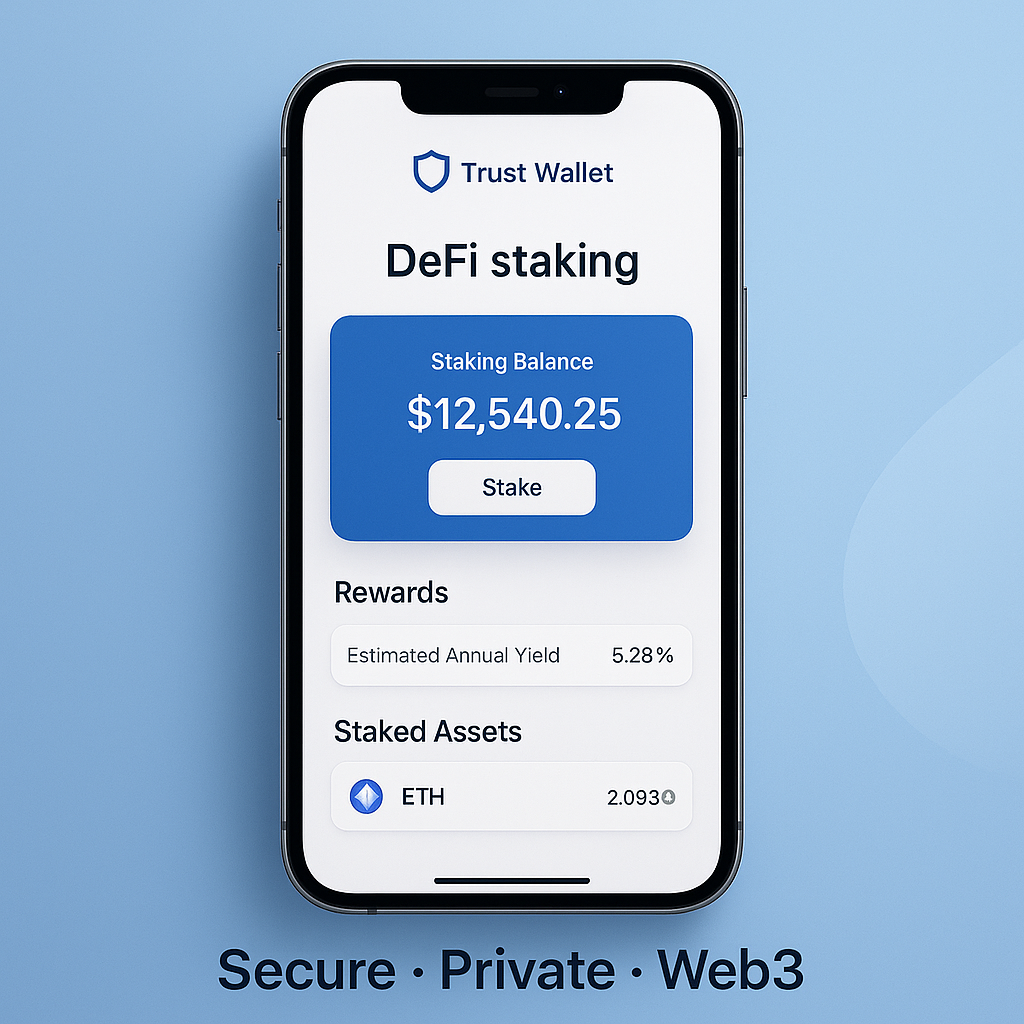
The wallet also includes built-in staking opportunities for various cryptocurrencies, allowing users to earn rewards directly within the app. This integration eliminates the need for multiple platforms and reduces the complexity often associated with DeFi participation.
Atomic Wallet offers limited DeFi integration compared to Trust Wallet’s comprehensive Web3 ecosystem. While it supports staking for certain cryptocurrencies and provides basic DApp connectivity, it lacks the mobile-optimized DeFi experience that modern crypto users expect. The platform focuses more on traditional cryptocurrency management rather than cutting-edge DeFi innovation.
Built-in Exchange and Trading Features
Both wallets provide integrated cryptocurrency exchange features, but with different approaches and fee structures. Trust Wallet partners with multiple exchange providers to offer competitive rates for crypto swaps directly within the app. Users can compare prices across different providers and choose the best option for their trades.
Atomic Wallet features its own built-in exchange powered by various liquidity providers. This integration allows for seamless trading between supported cryptocurrencies without leaving the wallet interface. However, exchange fees and rates may vary compared to external platforms.
User Experience and Interface Design
User experience plays a crucial role in cryptocurrency adoption, and Trust Wallet excels with its mobile-first design philosophy. The interface prioritizes simplicity without sacrificing functionality, making it accessible to newcomers while providing advanced features for experienced users. Navigation is intuitive, with clearly labeled sections for wallet management, DApp browsing, NFT viewing, and staking opportunities.
Trust Wallet’s onboarding process guides new users through wallet creation with clear explanations of recovery phrases and security best practices. The app includes educational content and tooltips that help users understand cryptocurrency concepts without overwhelming technical jargon.
Atomic Wallet offers a more traditional desktop-style interface that appeals to users familiar with computer-based cryptocurrency management. While the mobile version exists, the platform clearly prioritizes desktop functionality with more comprehensive portfolio management tools and detailed transaction histories.
The mobile experience differs significantly between these two wallets. Trust Wallet provides a native mobile experience optimized for touchscreen interactions, while Atomic Wallet’s mobile app feels more like a condensed version of its desktop counterpart. For users who primarily manage crypto on their phones, Trust Wallet offers superior usability and performance.
Customer Support and Community
Community support and customer service quality can significantly impact your cryptocurrency journey. Trust Wallet benefits from Binance’s backing and maintains active community channels including social media, documentation, and educational resources. The platform provides comprehensive guides, video tutorials, and a detailed knowledge base covering common questions and advanced features.
Trust Wallet’s large user base has created a vibrant community where users share tips, troubleshoot issues, and discuss new features. The development team actively engages with the community and regularly updates the platform based on user feedback and emerging crypto trends.
Atomic Wallet provides customer support through email and social channels, with a focus on technical documentation and user guides. While responsive, the support ecosystem is smaller compared to Trust Wallet’s extensive community resources.
Pricing and Fees
Both Trust Wallet and Atomic Wallet are free to download and use, with revenue generated through transaction fees and partnerships rather than subscription models. Trust Wallet charges network fees for blockchain transactions plus small percentages for in-app purchases and swaps. These fees are clearly displayed before transaction confirmation, ensuring transparency.
Atomic Wallet follows a similar model with network fees and exchange fees for built-in trading features. The platform’s fee structure varies depending on the specific service used, from simple transfers to complex DeFi interactions.
Neither wallet charges monthly or annual fees for basic storage and management features. However, advanced services like staking, buying crypto with credit cards, or using built-in exchanges may include additional fees from third-party providers.
Which Wallet Is Right for You?
The choice between Trust Wallet and Atomic Wallet ultimately depends on your specific cryptocurrency needs and usage patterns. Trust Wallet excels for mobile-first users who want comprehensive Web3 access, extensive multi-chain support, and seamless DeFi integration. It’s particularly well-suited for:
- Mobile-first cryptocurrency users
- DeFi enthusiasts and yield farmers
- NFT collectors and creators
- Users exploring new blockchains and protocols
- Beginners seeking educational resources
- Anyone prioritizing open-source transparency
Atomic Wallet may be preferable for users who prefer desktop-based portfolio management, want comprehensive trading features, or need specific cryptocurrencies not supported by Trust Wallet. It works well for:
- Desktop-focused cryptocurrency managers
- Users who prefer all-in-one platforms
- Traders focused on established cryptocurrencies
- Those who prioritize built-in exchange features
Consider your primary device usage, investment strategy, and feature priorities when making this decision. Both wallets provide secure self-custodial storage, but Trust Wallet offers superior mobile Web3 experiences while Atomic Wallet focuses on comprehensive desktop management.
Conclusion
The Trust Wallet vs Atomic Wallet comparison reveals two capable self-custodial solutions with distinct strengths and target audiences. Trust Wallet emerges as the clear choice for mobile-native cryptocurrency management, offering unparalleled Web3 integration, extensive multi-chain support, and user-friendly DeFi access. Its open-source nature, Binance backing, and commitment to simplicity make it ideal for both beginners and advanced users exploring the evolving crypto landscape.
While Atomic Wallet provides solid desktop-focused cryptocurrency management with built-in exchange features, Trust Wallet’s mobile-first approach aligns better with modern crypto usage patterns. The platform’s comprehensive DApp browser, NFT support, and rapid adoption of new blockchains position it at the forefront of Web3 innovation.
Ready to experience the future of decentralized finance? Download Trust Wallet today and join millions of users taking control of their digital assets with the most trusted cryptocurrency wallet in Web3.
Frequently Asked Questions
Is Trust Wallet safer than Atomic Wallet?
Both wallets offer self-custodial security where you control your private keys. Trust Wallet has the advantage of being open-source and backed by Binance, allowing independent security audits. Both use industry-standard encryption and local key storage.
Which wallet supports more cryptocurrencies?
Trust Wallet supports over 10 million tokens across 100+ blockchains, significantly more than Atomic Wallet’s 1,000+ supported cryptocurrencies. Trust Wallet also adds new tokens and networks more frequently.
Can I use DeFi protocols with both wallets?
Trust Wallet offers superior DeFi integration with a built-in DApp browser and WalletConnect support, making it easy to access thousands of DeFi protocols. Atomic Wallet provides limited DeFi connectivity compared to Trust Wallet’s comprehensive Web3 features.
Which wallet is better for NFTs?
Trust Wallet provides better NFT support with a dedicated gallery interface, multi-chain NFT display, and easy NFT management features. Atomic Wallet offers basic NFT storage but lacks the comprehensive NFT features that collectors expect.
Are there any fees for using these wallets?
Both wallets are free to download and use. You’ll pay standard blockchain network fees for transactions and small percentages for in-app services like buying crypto or using built-in exchanges. No monthly or annual subscription fees apply.
Can I stake cryptocurrency in both wallets?
Yes, both Trust Wallet and Atomic Wallet support staking for various cryptocurrencies. Trust Wallet offers more extensive staking options with better integration into the mobile interface and clearer reward tracking.
Which wallet is better for beginners?
Trust Wallet is generally more beginner-friendly with its intuitive mobile interface, educational content, and guided onboarding process. The app includes helpful tooltips and clear explanations for cryptocurrency concepts.
Can I recover my wallet if I lose my phone?
Yes, both wallets use recovery phrases (seed phrases) that allow you to restore your wallet on any compatible device. As long as you have your 12 or 24-word recovery phrase, your funds remain accessible regardless of device loss.
Do both wallets work on desktop and mobile?
Trust Wallet is primarily mobile-focused with browser extension support for desktop. Atomic Wallet offers both desktop and mobile versions, with the desktop version being more feature-rich. Trust Wallet excels in mobile experience while Atomic Wallet focuses on desktop functionality.
Which wallet updates faster with new features?
Trust Wallet typically updates more frequently with new blockchain support, DeFi integrations, and Web3 features. Its development team actively adds emerging cryptocurrencies and protocols faster than most competitors, including Atomic Wallet.


Quality overview, the security tips section was especially helpful and informative. Will follow your recommendations. Highly recommend. Very helpful! Thanks again! Thanks again! Highly recommend. Highly recommend.
Great guide! great breakdown of Trust Wallet app. Very practical approach. Author did a great job explaining clearly. Well done! Great resource. Highly recommend. Well done! Thanks again! Highly recommend.
This helped me the focus on Web3 features. This is exactly what beginners need. Very helpful and practical. Great resource. Thanks again! Thanks again! Thanks again! Highly recommend. Highly recommend.
Really appreciated valuable information about DApp browser that’s hard to find elsewhere. Info came in very handy. Well done! Thanks again! Well done! Well done! Very helpful! Thanks again! Thanks again!
Solid information, the explanation of user interface. Made everything much clearer. Really appreciate this guide. Thanks again! Great resource. Highly recommend. Very helpful! Thanks again! Well done!
Good article for great breakdown of DeFi tools. Very practical approach. Perfect resource for this topic. Great resource. Great resource. Great resource. Thanks again! Highly recommend. Well done! Very helpful!
Great guide! those wanting to understand DApp browser better. Well explained. Great work by the author! Great resource. Well done! Highly recommend. Thanks again! Great resource. Thanks again! Very helpful!
Thanks for the article! valuable information about WalletConnect that’s hard to find elsewhere. Really appreciate this guide. Great resource. Great resource. Highly recommend. Thanks again! Very helpful!
Solid information, your recommendations on NFT gallery. Will definitely implement these. Information is truly up-to-date. Thanks again! Highly recommend. Great resource. Well done! Very helpful! Very helpful!
Good article for the focus on Trust Wallet app. This is exactly what beginners need. Exactly what I was searching for. Very helpful! Thanks again! Great resource. Thanks again! Well done! Well done! Highly recommend.
Well-structured material. the FAQ section was especially helpful and informative. Perfect resource for this topic. Highly recommend. Great resource. Thanks again! Great resource. Highly recommend. Highly recommend.
Excellent article, exactly the information I needed about NFT management. Exactly what I was searching for. Very helpful! Well done! Great resource. Well done! Great resource. Great resource. Great resource.
Very informative, the focus on mobile security. This is exactly what beginners need. Finally figured this out, big thanks! Great resource. Highly recommend. Well done! Very helpful! Highly recommend. Well done!
Exactly what I was looking for, your recommendations on NFT gallery. Will definitely implement these. Everything explained clearly. Very helpful! Thanks again! Well done! Great resource. Very helpful!
Thanks for the article! those wanting to understand multi-chain support better. Well explained. Will keep an eye out for new posts! Great resource. Very helpful! Great resource. Great resource. Highly recommend.